What’s in our Creams and Drops?
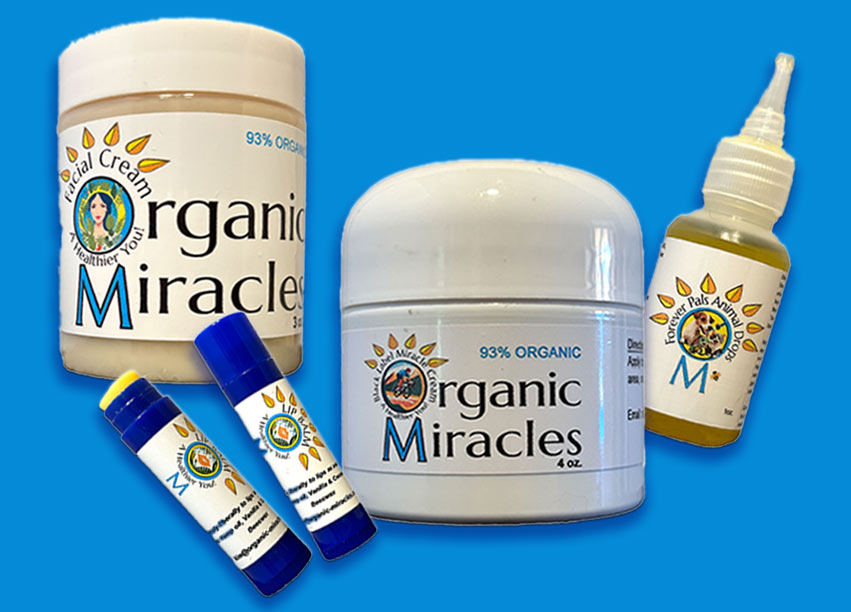
Glad you asked! Our last couple of newsletters featured many ingredients and explanations for our Sunrise AM and Sunset PM Capsules. While our capsules heal your inside, our creams also work on the largest organ in your body……your skin! After reading the facts about each ingredient, you will also see why we use them as well. Still organic and including some of the ingredients in our capsules, our Black Label Miracle Cream, Facial Cream, Lip Balm and Animal Drops also contain some or all of the following ingredients:
Papaya Seed Oil:
Papaya Seed Oil contains fatty acids, such as Oleic Acid and Linoleic Acid, that work as anti-inflammatory agents, helping reduce redness and irritation on the complexion. With a combination of anti-microbial, scar-reducing and exfoliating properties, Papaya Seed Oil helps to discourage acne and breakouts. In addition, this luscious and decadent oil has a light texture and is non-comedogenic, meaning that it doesn’t clog the pores, but instead cleans them out and dissolves dead skin. In addition, it is a powerful antioxidant that helps protect skin against environmental aggressors and slow down signs of aging. AKA: Pawpaw Seed Oil, it is also effective in reducing the appearance of hyperpigmentation, dark spots and uneven skin. When used in haircare, the antioxidants work to soften and smooth dry, damaged hair, while the essential fatty acids work well for treating dry scalp and dandruff. Easily absorbed by the skin, it is widely used in many cosmetic product formulations, as a means to carry nourishing ingredients in creams, serums, and lotions deep into the skin. (16)
White Willow Bark:
A natural pain reliever that works in similar ways to acetylsalicylic acid, the active ingredient in aspirin. Antioxidant compounds called polyphenolic glycosides and flavonoids are also found in white willow bark (WWB). These have been shown to protect against oxidative stress and various symptoms tied to aging, such as poor physical performance, cognitive decline, etc. It has been shown as useful for lower back pain, joint pain, soreness from physical training and has the capability to reduce inflammation and oxidative stress and increase antioxidant activity, including glutathione. (17)
Sunflower Oil:
This is a little more “sciencey” that most of our explanations!) There are four (4) types of sunflower oil available in the United States, all of which are made from sunflower seeds that are bred to produce different fatty acid compositions. These include high linoleic (68% linoleic acid), mid-oleic (NuSun, 65% oleic acid), high oleic (82% oleic acid), and high stearic/high oleic (Nutrisun, 72% oleic acid, 18% stearic acid). As their names suggest, some sunflower oils are higher in either linoleic or oleic acid. Linoleic acid, commonly known as omega-6, is a polyunsaturated fatty acid that has two double bonds in its carbon chain. Meanwhile, oleic acid, or omega-9, is a monounsaturated fatty acid with one double bond.
These properties make them liquid at room temperature. Linoleic and oleic acid are both sources of energy for the body and contribute to cell and tissue strength. However, they react in different ways to heat during cooking and therefore may have varying effects on your health. High stearic/high oleic sunflower oil (Nutrisun) also contains stearic acid, a saturated fatty acid that’s solid at room temperature and has different culinary applications. This type of sunflower oil is not meant for home cooking and instead may be used in packaged foods, ice creams, chocolate, and industrial frying. All sunflower oils are 100% fat and contain vitamin E, a fat-soluble nutrient that protects cells from age-related damage. All of the purported benefits of sunflower oil are associated with high oleic varieties, particularly those that comprise 80% or more oleic acid. Some research suggests that a diet rich in monounsaturated fatty acids like oleic acid may help reduce high cholesterol levels and thus your risk of heart disease. Some studies suggest that consuming high oleic sunflower oil, especially in place of saturated fats, may help reduce your risk of heart disease by lowering LDL (bad) cholesterol and raising HDL (good) cholesterol. Whew! (18)
Aloe Vera Leaf:
Aloe Vera leaf is a medicinal plant with antioxidant and antibacterial properties. People have been growing aloe vera plants (Aloe barbadensis is the botanical name for the recognizable aloe vera) for literally thousands of years. It is one of the more recognizable and widely grown houseplants, and one of the most widely used medicinal plants on the planet. This native of Africa is a succulent in the genus of the same name (Aloe), in which there are over 180 species. There are literally hundreds of uses for Aloe Vera and it has been used for thousands of years. In traditional Indian medicine, aloe vera is used for constipation, skin diseases, worm infestation, infections and as a natural remedy for colic. And in Chinese medicine, it’s often recommended in the treatment of fungal diseases. Aloe vera was officially listed as a purgative and skin protectant by the U.S.pharmacopoeia in 1820 and was clinically used in the 1930s for the treatment of radiotherapy burns to the skin and mucous membranes. Today, cosmetic companies commonly add sap or other derivatives from aloe vera to a range of products, including makeup, soaps, sunscreens, incense, shaving cream, shampoos, tissues and moisturizers. The plant is even used commercially as an ingredient in yogurts, beverages and desserts. It’s easy to see why we include Aloe Vera in our products.(19)
Lavender Oil:
Lavender oil is an essential oil derived from the lavender plant. It is the most used essential oil in the world today, but the benefits of lavender were actually discovered over 2,500 years ago. It can be taken orally, applied to the skin, and breathed in through aromatherapy. Lavender oil can benefit the skin in numerous ways. It has the ability to lessen acne, help even skin tone, and reduce wrinkles. It can also be used to treat many, many other things, such as improving hair health, digestion, diabetes, reduce stress, support brain function, heal cuts and burns, headaches, improve sleep and insomnia, relieve pain. The list of benefits of Lavender is almost endless and I have only mentioned a few of them here. (20)
Juniper Oil:
Juniper oil is most commonly used in natural remedies for sore throat, respiratory infections, fatigue, muscle aches and arthritis. It can also relieve bloating, help heal and protect skin, boost digestion, act as a sleep aid, relieve heartburn and acid reflux. It also is an excellent insect repellent, a natural antiseptic, and a powerful antioxidant. Juniper oil has both antibacterial and antifungal properties and is used to treat UTI’s, and bladder infections. It is also a natural diuretic and sleep aid, and helps heal and protect skin, boost digestion, treat heartburn and acid reflux. (21)
Marjoram Oil:
If you’re not familiar with marjoram, you likely know its close cousin — oregano. It’s an herb that has a very specific history of culinary and medicinal use, and it’s often found in marjoram essential oil form. Whether we’re talking about the fresh or dried version, it can be added to meat and vegetable dishes, salad dressings, and stews. Marjoram can also be taken orally in a more concentrated medicinal form or used topically and in aromatherapy as an essential oil. The inhalation of marjoram essential oil actually has been shown to calm the nervous system and, in turn, positively impact your cardiovascular system by improving blood flow and lowering blood pressure. It’s been used to treat coughs, runny noses, gallbladder issues, digestive problems, depression, dizziness, migraines, nervous headaches, nerve pain and paralysis as well. (22)
Bromelain:
This is one of the most surprising things I have ever seen about pineapples! Used widely as a natural remedy to treat everything from indigestion to allergies, pineapple is not only brimming with this enzyme, but also vitamin C, vitamin B1, potassium, manganese and phytonutrients. While pineapple has many benefits, the real secret to its healing powers is definitely bromelain. Usually, bromelain supplements or extracts refer to enzymes extracted from pineapple stems or cores, rather than from the fruit’s flesh. A look at the scientific literature, which includes 1,600-plus articles evaluating the medicinal benefits of bromelain, shows that it has been used to treat a wide range of health problems, including:
Connective tissue injuries, such as ACL tears
Sprained ankles
Tendonitis
Allergies
Arthritis, joint pain and osteoarthritis
Digestive issues like heartburn or diarrhea
Cardiovascular disorders
Asthma
Autoimmune diseases
Cancer
Inflammatory bowel disease
Sinus infections, such as bronchitis and sinusitis
Surgical trauma and slow healing of skin wounds or burns
Poor absorption of drugs, especially antibiotics, and symptoms due to taking medications.
All of that from a Pineapple core, which we usually THROW AWAY? Try eating it next time as it is healthier than the tasty fruit! Amazing! (23)
Bitter Melon:
Momordica charantia goes by several common names around the world, including bitter melon, bitter gourd, balsam, bitter apple and carilla fruit. It belongs to the Cucurbitaceae plant family and today is primarily grown in two varieties for its medicinal benefits. It is a type of edible, medicinal fruit that is native to Asia, Africa and parts of the Caribbean. It has a very long history of use in China and Ayurvedic medicine — a traditional system of healing that has been practiced in India for over 3,000 years — and also in some of the healthiest places of the world, such as Okinawa, Japan (one of the world’s “blue zones“). Knowing that bitter foods tend to be cleansing for the body and capable of boosting liver health, the Chinese were attracted to bitter melon’s extremely sour taste. They began cooking and using the fruit in recipes, as well as juicing it to create a tonic in order to help treat such conditions as indigestion, upset stomach, skin wounds, chronic coughs and respiratory infections. Bitter melon has been the focus of well over 100 clinical and observational studies.It’s best known for its hypoglycemic effects (the ability to lower bloods sugar), and research shows that the melon’s juice, fruit and dried powder can all be used to mimic insulin’s effects and help treat diabetes. Benefits include potentially increasing immunity, lowering diabetes symptoms, fighting free radical damage and inflammation, treating skin problems, improving digestion, and helping prevent cancer. (24)
Collagen:
Often touted as the “glue” that holds the body together, collagen has a crucial job in maintaining joint health. As we age, our bodies’ natural collagen production decreases, leading to joint discomfort and stiffness. Collagen is the main structural protein found in various connective tissues, including joints, tendons, ligaments and cartilage. In fact, it is the main building block of cartilage, the spongy tissue that cushions your joints. As we age, collagen production naturally declines, which can contribute to joint problems. However, studies suggest that collagen supplements may offer several benefits such as: relieve joint pain, enhance mobility, improve joint function, repair cartilage, aid in wound healing, reduce wrinkles, enhance skin elasticity and promote hydration. (25)
Cloves:
A spice with a distinctly pungent flavor, clove gives “pumpkin pie spice” and goodies like gingerbread cookies their signature taste. They are indigenous to the Middle East and have long been used in Indian Ayurvedic medicine and Chinese medicine for their supposed aphrodisiac properties and ability to treat headaches and indigestion. These little bulbs are considered to have warming, stimulating and cleansing effects, and they can be utilized in a variety of ways — such as in cooking, as an extract, in herbal tea or inessential oil form. Cloves are rich in antioxidants, especially the type called eugenol, which is a phenolic compound that can reduce oxidative stress. Studies have found that with its ability to fight free radical damage, eugenol may especially help defend against the development of chronic diseases and may help promote healthy aging. (26)
Coconut Oil:
To date, there are over 1,500 studies showing coconut oil to be one of the healthiest foods on the planet. Coconut oil uses and benefits go beyond what most people realize, as it is a true superfood. Coconut oil supports cognitive and heart health, protects organs, boosts energy levels and works to reduce inflammation naturally. Reducing inflammation should be everyone’s biggest health goal, as it is the root cause of heart disease and many other conditions. In addition, it can help treat Alzheimer’s disease, aid in prevention of heart disease and high blood pressure; It also helps treat UTI and kidney infections, protects the liver, reduces inflammation and arthritis, boosts the immune system, fights cancer, supports memory and brain function, improves energy and endurance, aids digestion, reduces symptoms of gallbladder disease and pancreatitis, improve skin issues, prevents gum disease and tooth decay, supports bone health, helps with type 2 diabetes etc. The list seems to go on forever! (27)
Vanilla Oil:
The antioxidant properties of vanilla oil protect the body from wear and tear by neutralizing free radicals. Antioxidants are substances that help prevent certain types of cell damage, especially those caused by oxidation. Oxidation is one of the biggest causes behind most of our health troubles and diseases. It leads to the formation of free radicals, which are very dangerous to the body’s tissues and have been connected to cancer and premature aging. Internally, pure vanilla oil fights inflammation, works as an antidepressant and contains high levels of antioxidants — preventing the growth of cancer cells. It’s been proven to fight infections and diseases caused by oxidation and inflammation. Vanilla oil also promotes skin and hair health, relieves muscle pain and cramps, and balances hormones naturally. For thousands of years, it’s been used by men and women who struggle with loss of libido, anxiety and high blood pressure. (28)
Calendula:
Calendula (Calendula officinalis) is an herbaceous plant of the small genus Calendula, in the Asteraceae family. This flowering annual plant grows naturally around western Europe, southeastern Asia and the Mediterranean. Calendula is one of the top herbs and can be taken orally, but more popularly it’s applied topically. This flower has become popular in many natural health products and skin care lines on the market today, used in almost 200 various lotions, shampoos and other products. It has also been known to help with a variety of health issues, is a powerful antioxidant and is among the strongest of antiviral herbs. In addition, it helps health issues ranging from skin inflammation to cramps to even fighting cancer.(29)
Watermelon:
Unbeknownst to most people, the entire watermelon is edible, including the rind and seeds. In fact, watermelon rind (which can be pickled or even stir-fried) is very high in citrulline, a compound that’s transformed into the amino acid arginine, which is associated with cardiovascular benefits, and more. All varieties are loaded with antioxidants and have been associated with a wide range of health benefits — such as better heart health, enhanced immunity, pain relief; help aid in preventing kidney stones, digestion and detoxification, fights cancer formation and protects and hydrates skin . Two especially protective compounds found in this fruit arecitrulline and lycopene. Meanwhile, watermelon seeds are chock-full of amino acids, the “building blocks of protein,” as well as some trace minerals, which is why they are included in some plant protein powders. (30)
The following is a brief explanation of CBG and CBD, 2 of the many cannabinoids found in Cannabis Sativa. What they are, what they do and what’s the difference? Will it make me high?
CBG:
CBG (Cannabigerol), often referred to by experts as “the mother of all cannabinoids,” is the cannabinoid from which other types of cannabinoids (including CBD) are derived, says Michelle Sexton, a naturopathic doctor who works at the Pain Trauma Institute in San Diego. “CBG is the first compound in the biosynthesis (the production of chemical compounds by a living organism) of the other cannabinoids,” she adds. since CBG is a starting compound in the cannabis plant, young cannabis plants are typically used to source the cannabinoid because when the plant is ripe, there isn’t much CBG left; instead, the plant is more abundant in THC and CBD, according to Dr. Sexton. Young cannabis plants contain cannabigerolic acid (CBGA), an acidic form of CBG, and, as the plant grows, the CBGA is naturally converted into CBDA and THCA—which can later be converted into CBD and THC when activated by heat, she explains.
CBG is available in many forms, including tinctures, gummies, capsules and topical creams and lotions. CBG is often coupled with CBD in these products because the two cannabinoids can provide complimentary benefits, such as decreasing inflammation and pain, says Fraser Smith, a naturopathic doctor, as well as assistant dean and associate professor at the National University of Health Services in Lombard, Illinois.
CBD (Cannabidiol Full Spectrum (<.03mg THC):
CBD oil is made by extracting it from the cannabis plant and diluting it with a carrier oil like coconut oil or hemp seed oil. It’s one of more than 100 chemical compounds called cannabinoids that are found in the cannabis plant. Tetrahydrocannabinol (THC) is the main psychoactive cannabinoid found in cannabis, which means it causes the sensation of getting high that’s often associated with cannabis. However, unlike THC, CBD is not psychoactive. We highlight that phrase, as many people don’t know much about CBD (and it’s various compounds), and they are concerned they might “get high” if they use it. Nothing could be farther from the truth. Most states offer dispensaries if you want to get high. What does (<.03mg THC) mean? This is a legal term that literally means “less than .03% milligrams of THC”. This is because not ALL of the THC can be removed, and this is the limit that is allowed by law (this amount won’t get you high either). (15)
(15) Medically reviewed by Dominique Fontaine, BSN, RN, HNB-BC, HWNC-BC — By Jillian Kubala, MS, RD
(16) Natureinbottle.com
(17) www.draxe.com/nutrition/white-willow-bark
(18) www.healthline.com/nutrition/is-sunflower-oil-healthy
(19) www.draxe.com/nutrition/aloe-vera-benefits
(20) www.draxe.com/essential-oils/lavender-oil-benefits
(21) www.draxe.com/essential-oils/juniper-berry-essential-oil
(22) www.draxe.com/essential-oils/marjoram-essential-oil
(23) www.draxe.com/nutrition/bromelain
(24) www.draxe.com/nutrition/bitter-melon
(25) www.draxe.com/nutrition/collagen-for-joints
(26) www.draxe.com/nutrition/cloves-benefits
(27) www draxe.com/nutrition/coconut-oil-benefits
(28) www.draxe.com/nutrition/vanilla-oil-benefits
(29) www. Draxe.com/nutrition/calendula
(30) www. draxe.com/nutrition/benefits-of-watermelon